
Case Study – Rolling Ladder
Reinventing a Legacy:
A Modern Rolling Ladder Designed for the Next Generation
How a bold redesign combining wood, formed steel, and precision aluminum extrusions helped a legacy ladder manufacturer expand its product line and unlock strong year-over-year growth.

Problem
A ground-up design approach combining industrial engineering, new materials, and iterative prototyping transformed an ambitious concept into a fully manufacturable product.

Solution
A concept-driven design combining wood, formed steel, and interlocking aluminum extrusions evolved through engineering and iteration into a structurally sound, production-ready ladder.

Outcome
The Problem

CSH and Putnum Ladders have long been recognized as a legacy brand in the rolling ladder industry, known for durability, reliability, and craftsmanship. Their products set a high bar for quality in commercial, retail, and industrial environments. However, as customer expectations and design trends evolved, the company identified a gap within their product portfolio. They needed a ladder that could appeal to modern spaces while maintaining the strength and performance that defined their reputation.
The challenge was not simply cosmetic. Creating a new ladder meant exploring entirely different materials and manufacturing methods that had not previously been part of their product development process. Integrating these new elements while maintaining structural integrity, manufacturability, and brand quality standards required a thoughtful engineering approach. The goal was to create something distinctly modern without compromising the reliability customers expected from a legacy product line.
The Solution
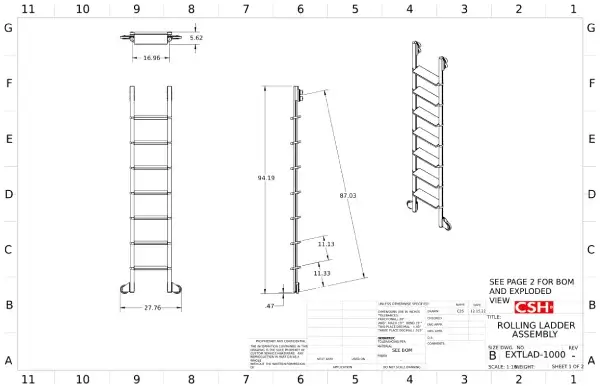
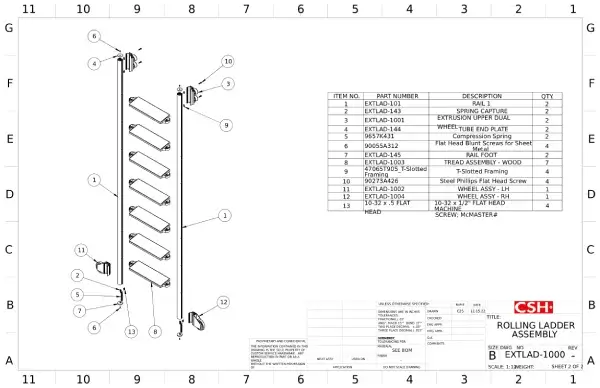
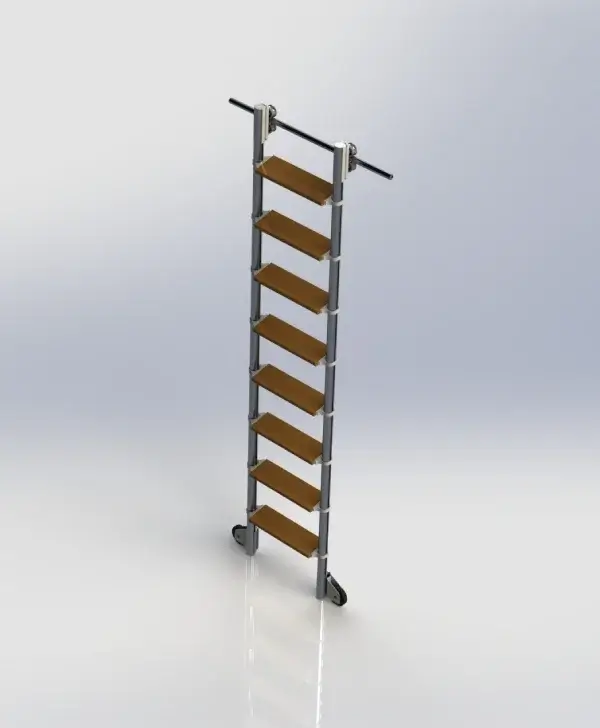
The project began with an ambitious concept: transform an artist’s rendering into a fully functional, production-ready ladder that blended aesthetics with structural innovation. The design incorporated a unique combination of wood, formed steel components, and multiple interlocking aluminum extrusion profiles. Each material served a purpose—providing strength, visual appeal, and precision manufacturing advantages.
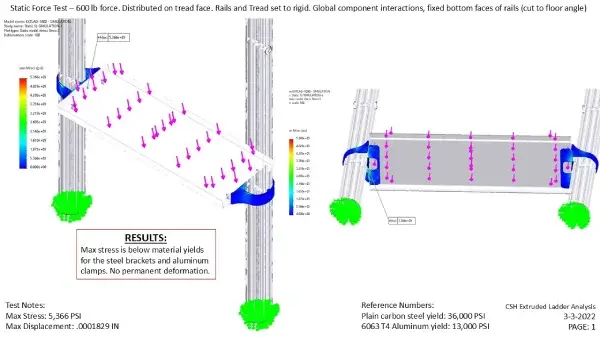
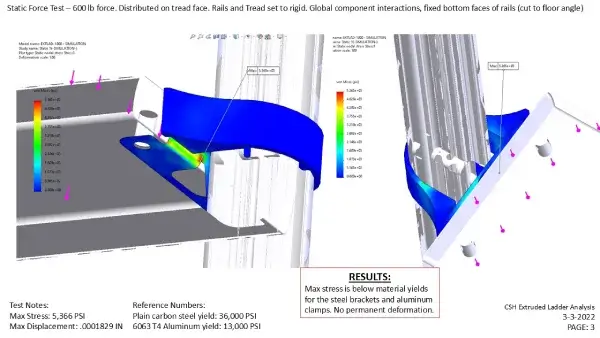
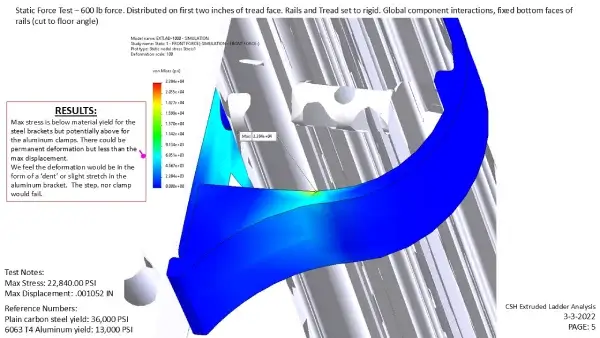
To ensure the design met both safety and performance standards, the development process relied heavily on iterative testing and validation. Virtual simulations helped refine the structural design and predict real-world stresses, while rapid 3D printed components allowed the team to evaluate fit, ergonomics, and assembly. Full-scale prototypes followed, enabling real-world testing and refinement before moving toward production. This process ensured the final design balanced durability, usability, and manufacturability.

The Outcome
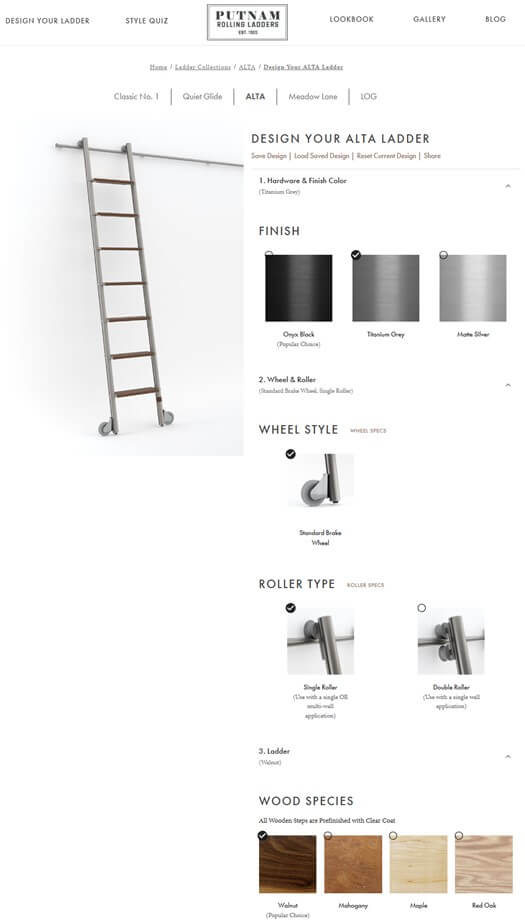
The finished rolling ladder introduced a design unlike anything currently available in the market. By combining multiple materials in a purposeful way, the ladder achieved a distinctive visual identity while maintaining the rugged performance required for commercial applications. The result is a product that stands out both functionally and aesthetically, appealing to customers looking for equipment that complements modern interiors.
The impact has been significant. The ladder quickly gained traction in the market, with sales increasing year over year as adoption continues to grow. Its success has not only filled the original product gap but has also created momentum for future expansion. With strong demand and positive reception, the design is now serving as the foundation for an expanded product family, demonstrating how thoughtful engineering and bold design can revitalize even the most established product categories.
Ready to Bring Your Next Idea to Life?
Simply fill out the form below (or email me), and I’ll contact you to discuss your project and answer any questions you have.
— Robert Kearns III, President C2S